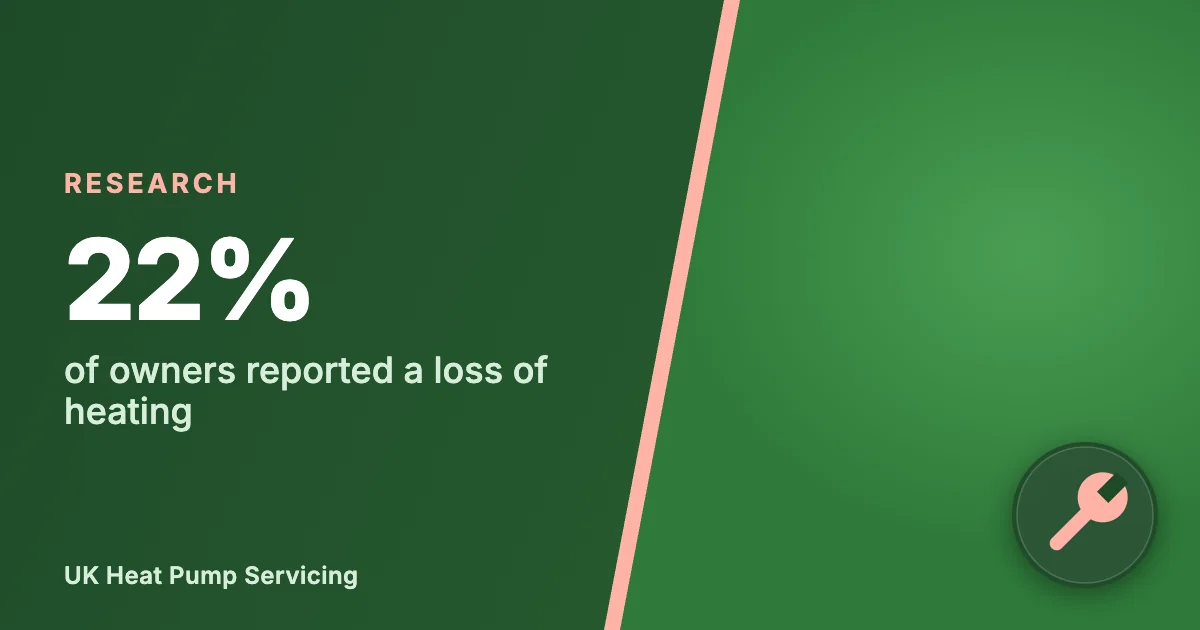
Loss of heating, no hot water and indoor water leakage were three of the commonly reported problems in the government’s 2026 Boiler Upgrade Scheme evaluation. The report lists 22%, 21% and 18% respectively, describing property-owner responses about their installed low-carbon heating systems and associated equipment. These categories can overlap and describe symptoms across the system. Source: DESNZ evaluation, fault types.
Tell the engineer what stopped working
| Symptom | Useful detail to record |
|---|---|
| Heating stops | Whether all rooms are affected and what the controller displays |
| No hot water | Whether the central heating still works and when hot water last recovered |
| Water indoors | Where it appears and whether it is spreading |
| Cycling or noise | Time, outdoor conditions and whether the system is heating water |
| Error code | Exact letters, numbers, brand and model |
If there is active leakage or an electrical concern, keep clear of affected equipment and contact a qualified professional. Use your manufacturer’s instructions for any safe owner checks. Avoid opening covers or repeatedly resetting a recurring fault.
Our guides to a heat pump running but not heating and heat pump leaking water cover the safe checks for two of these symptoms.
Why the symptom is more useful than a guessed part
The same error can have several causes. A cold home can result from a control setting, flow issue or component fault. Hot water and space heating can share a heat source while relying on different valves or settings. Record the symptoms, take a photo of the display if safe and share any recent service or installation changes.
When a fault needs an engineer, a heat pump repair visit starts from the symptoms you recorded. Noise is often reported too; our research on heat pump noise explains how levels are measured.